About Microbiome Health Initiative
Mission & Vision
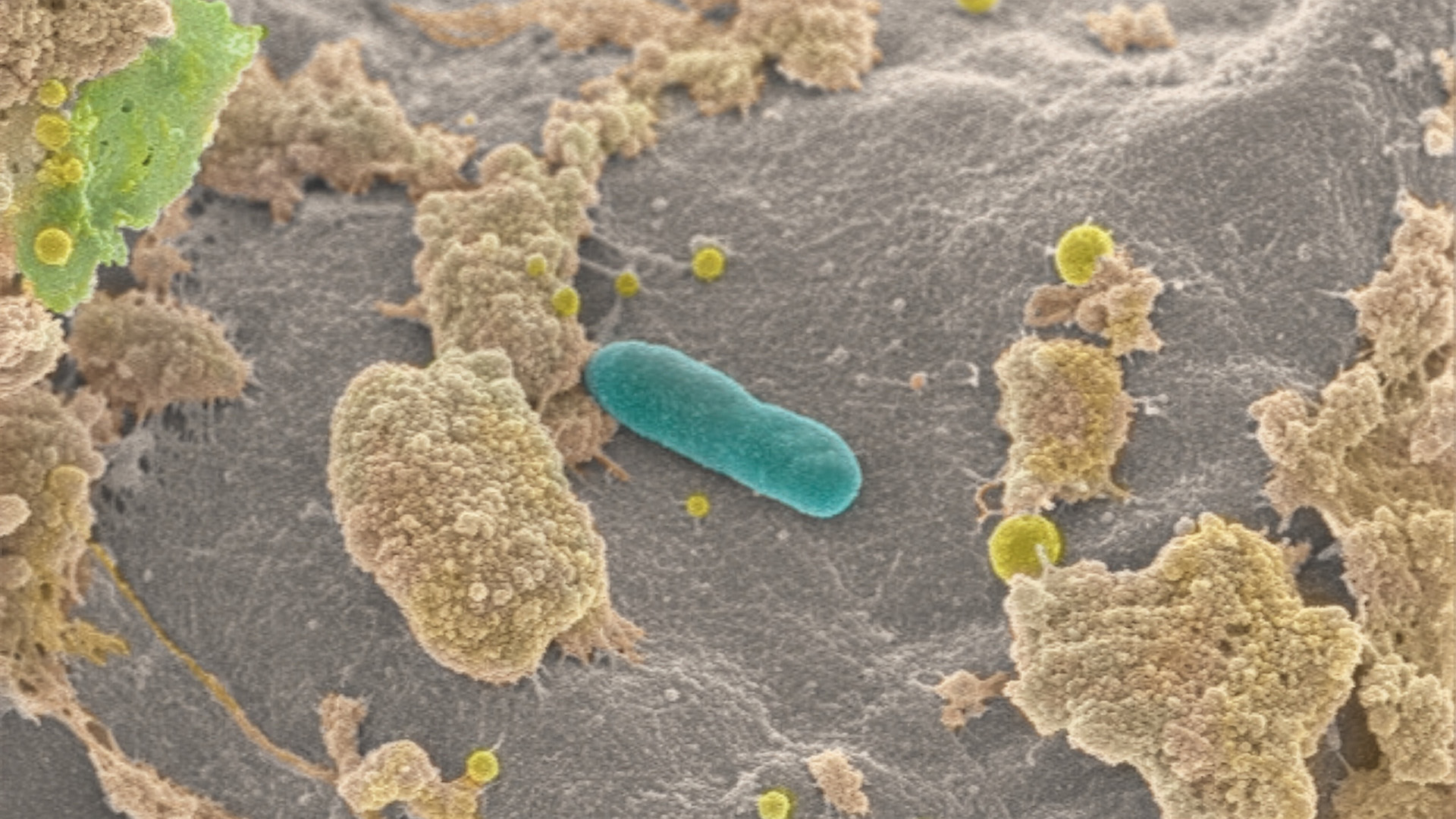
The Novo Nordisk Foundation Microbiome Health Initiative (MHI) is an international collaboration working to uncover causal links between the gut microbiome and cardiometabolic disease, and translate that knowledge into new approaches to disease treatment and prevention.
Our global health challenge
Cardiometabolic diseases — including type 2 diabetes, obesity, steatotic liver disease and cardiovascular disease — remain a major global health challenge. While the gut microbiome is increasingly recognized as an important factor in cardiometabolic health, much of the evidence in people remains based on association. This has limited the field’s ability to deliver effective, clinically actionable solutions.
The gap we are here to close
MHI was established as a virtual research centre in October 2024 to help close that gap. By integrating mechanistic discovery, human physiology and causality-focused human studies, we aim to strengthen the evidence base for causality and accelerate translation into interventions that can benefit patients.
What makes our model different
What sets us apart is the way we work: Clinical studies are embedded in our research strategy from the beginning, enabling earlier and more meaningful translation of scientific findings. Our centre creates the conditions for stronger collaboration and greater impact through shared governance, optimized infrastructure and a unifying mission.
Our mission: To advance microbiome research from association to causality and translate discoveries into novel prevention and treatment solutions for cardiometabolic disease.
Our vision: To deliver microbiome-based solutions as novel modalities for precise and effective prevention of cardiometabolic disease.



Three Pillars
We integrate translation from the start
We bring the right expertise together
The MHI Consortium
Who we are
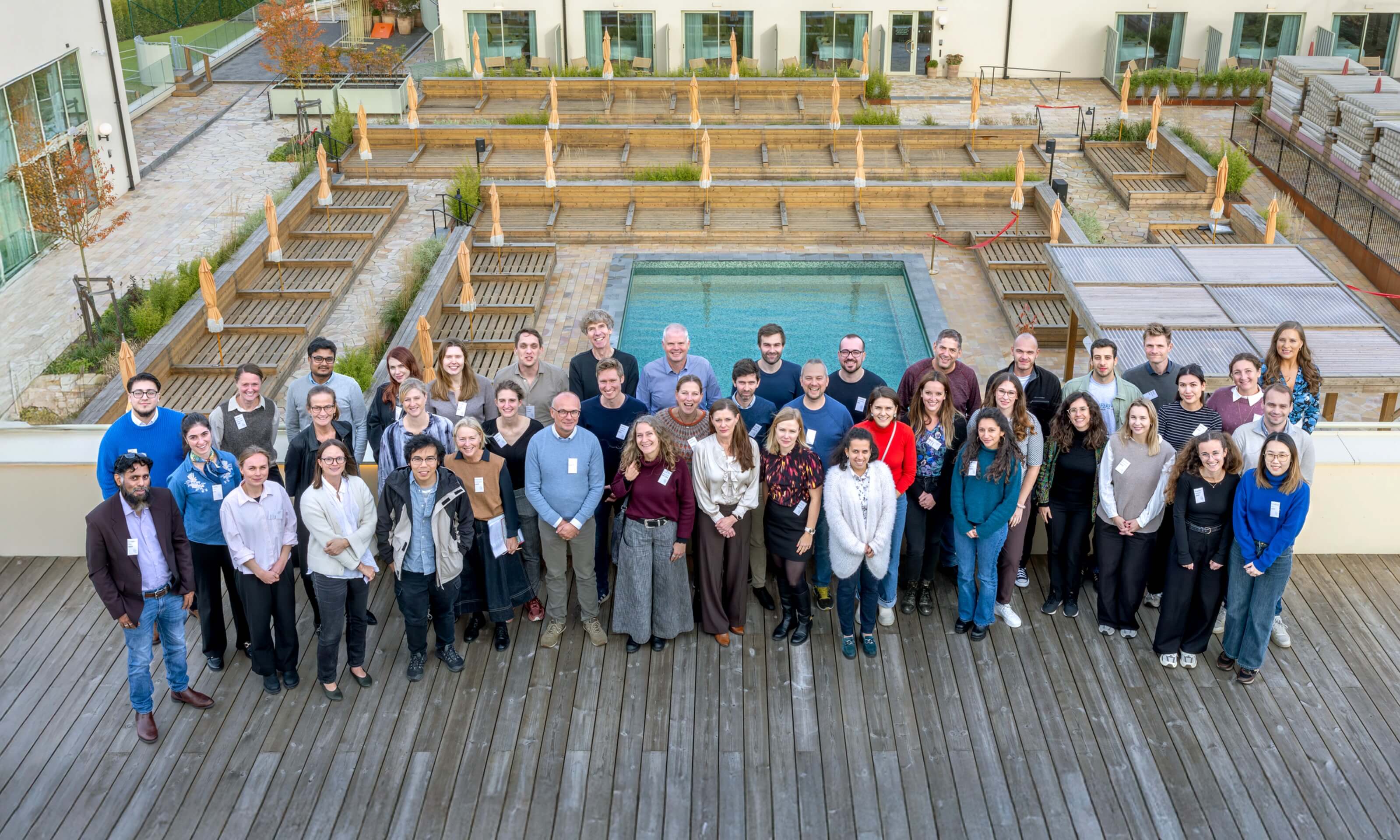
MHI is a global collaboration involving seven leading research institutions.
We are a virtual research centre anchored in Denmark and bringing together leading scientists and clinicians from the Technical University of Denmark, the University of Copenhagen, the University of Gothenburg, Amsterdam University Medical Center, the Weizmann Institute of Science in Israel, Odense University Hospital and Steno Diabetes Center Copenhagen.
Our centre is dedicated to uncovering causal mechanisms and therapeutic targets in cardiometabolic disease (CMD). Our interdisciplinary approach brings together internationally recognized expertise in CMD research, microbiome science, and clinical translation.
Together, we span disciplines from microbial physiology and bioinformatics to CMD aetiology and human intervention studies. Our work draws on strong research infrastructures, advanced technologies and close collaboration among leading Danish and European research environments.
Our partners

Amsterdam University Medical Center is one of the Netherlands’ leading medical institutions, combining highly specialized patient care, innovative scientific research and the education of future health care professionals. Its Amsterdam Cardiovascular Sciences unit advances the prevention and treatment of cardiovascular disease by integrating clinical and fundamental research. The unit brings deep expertise in clinical interventions and has pioneered human microbiome studies, investigating how gut bacteria contribute to metabolic and cardiovascular diseases and exploring microbiome-based approaches to prevent disease progression.

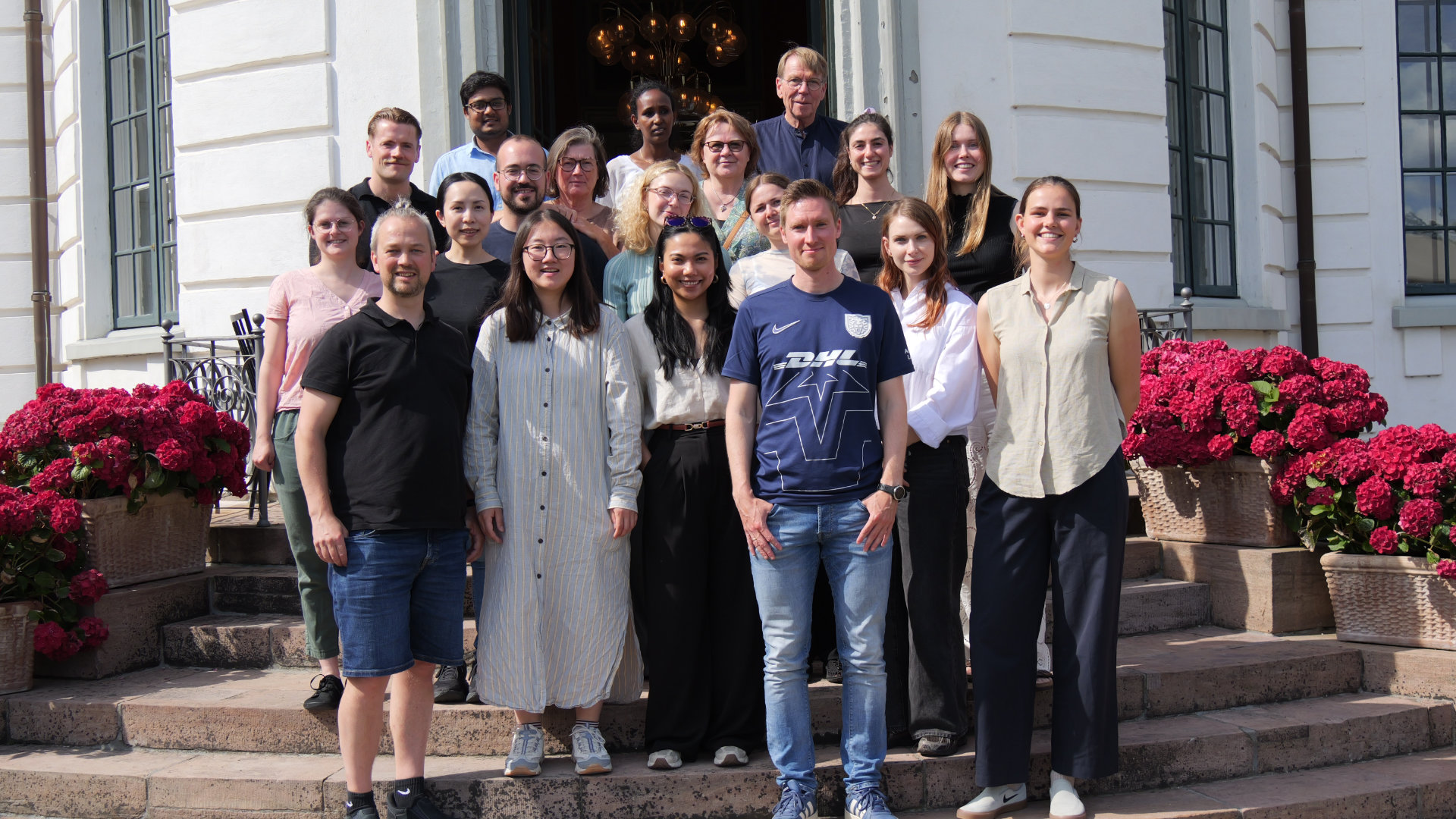
The DTU National Food Institute conducts research and shares knowledge through government advisory services, innovation and education to develop sustainable, value-creating solutions in food and health for the benefit of society. The institute brings strong expertise from its Gut, Microbes and Health research group, including work on how diet shapes the structure and activity of the human microbiome. Its strengths span microbiome modelling, omics technologies, functional foods and fermentation, contributing essential insight into the relationship between diet, microbial function and human health.
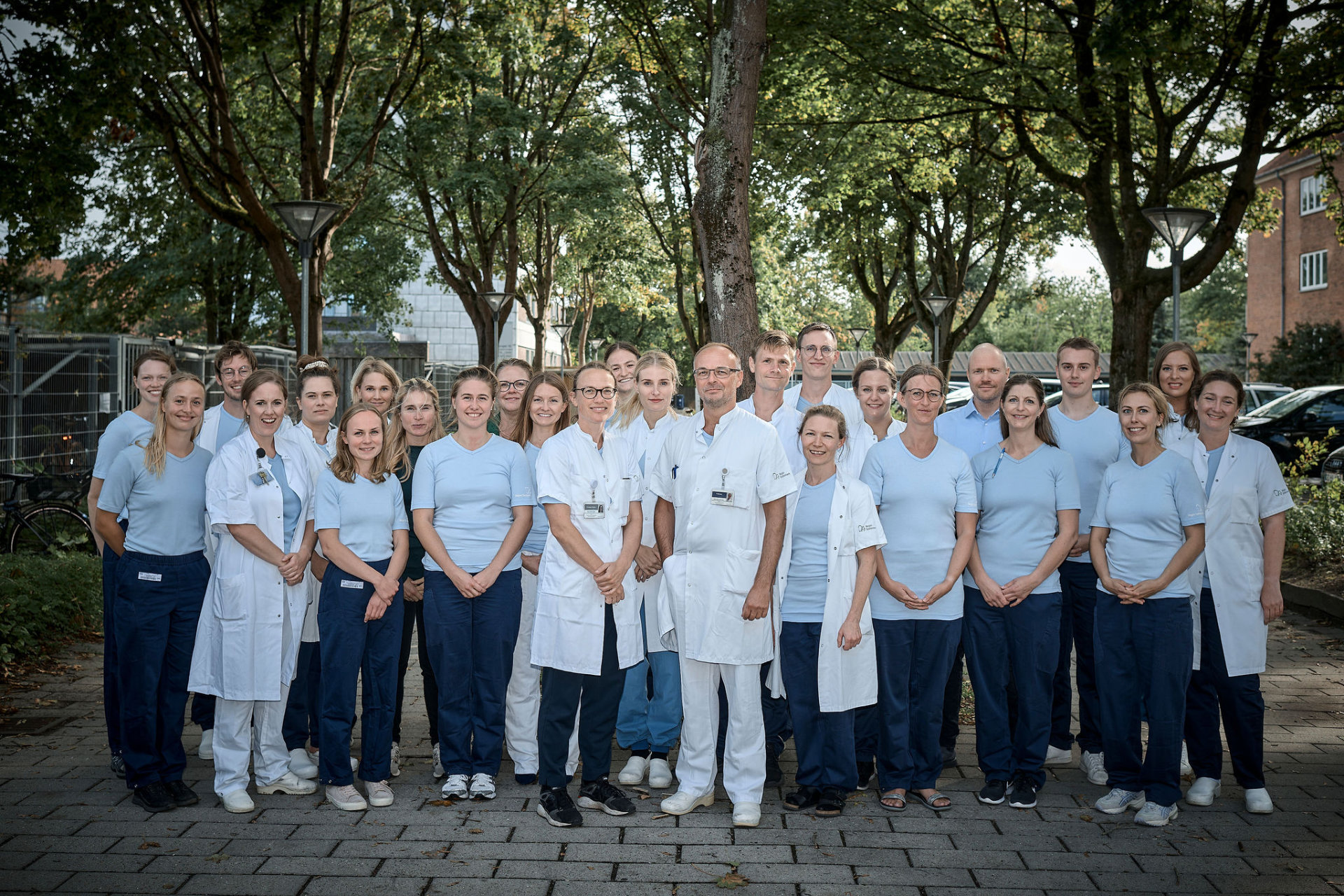
At Odense University Hospital’s FLASH — Centre for Liver Research in Denmark, physicians, nurses and researchers work together to improve the prevention, early detection and treatment of steatotic liver diseases. FLASH collaborates with hospitals across Denmark and with international partners to translate clinical insight into better care. The centre integrates knowledge from patient assessments, biobank samples and patient perspectives to develop new approaches to a disease area of growing global importance. FLASH contributes clinical expertise and translational insight relevant to liver-related cardiometabolic disease.

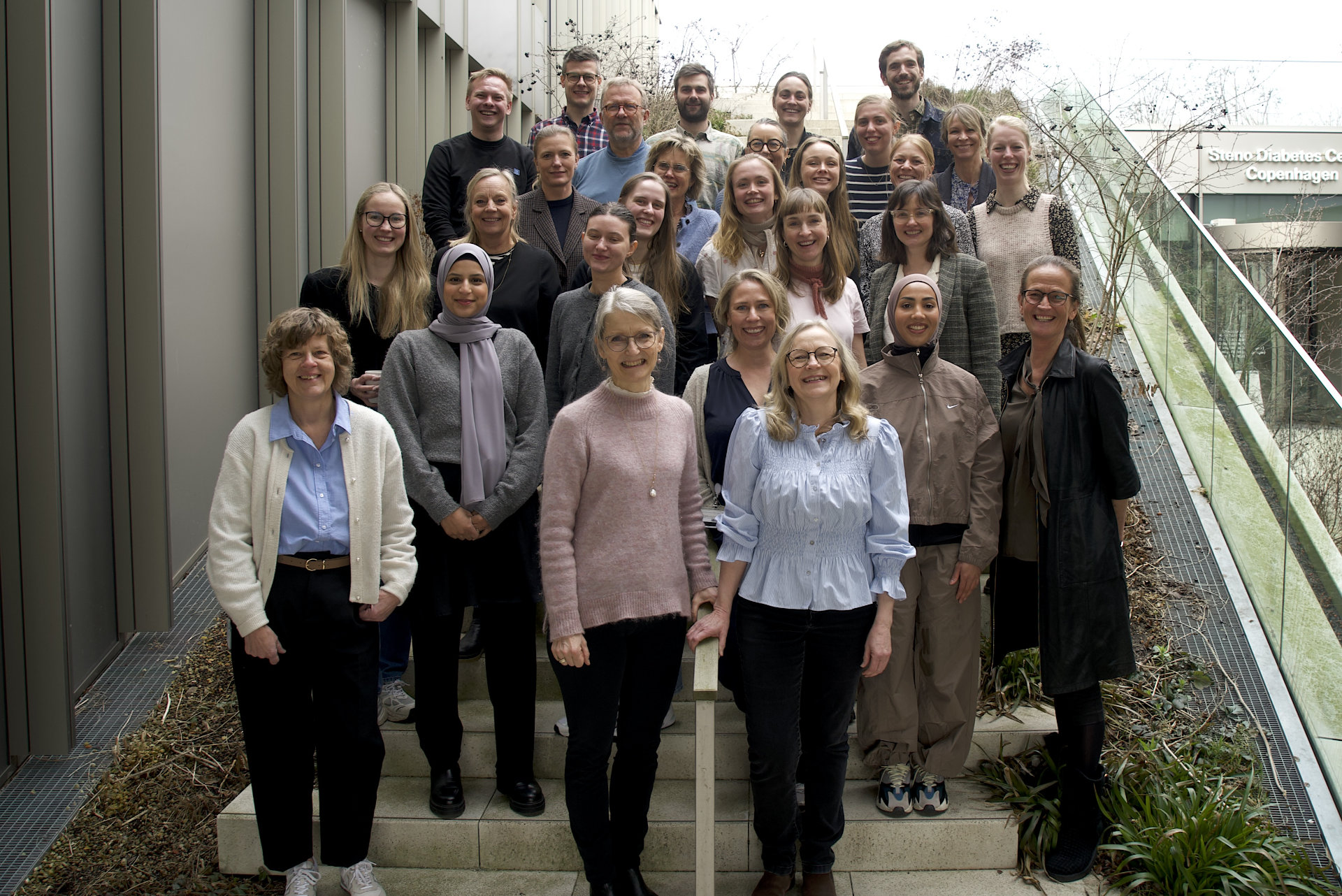
Steno Diabetes Center Copenhagen is Denmark’s leading centre for diabetes prevention, treatment and translational research, with deep expertise in glucose metabolism, appetite regulation and human clinical interventions. SDCC contributes clinical infrastructure and expertise in metabolic intervention studies, enabling rigorous testing of microbiome-based strategies to improve insulin sensitivity, metabolic regulation and cardiometabolic health.
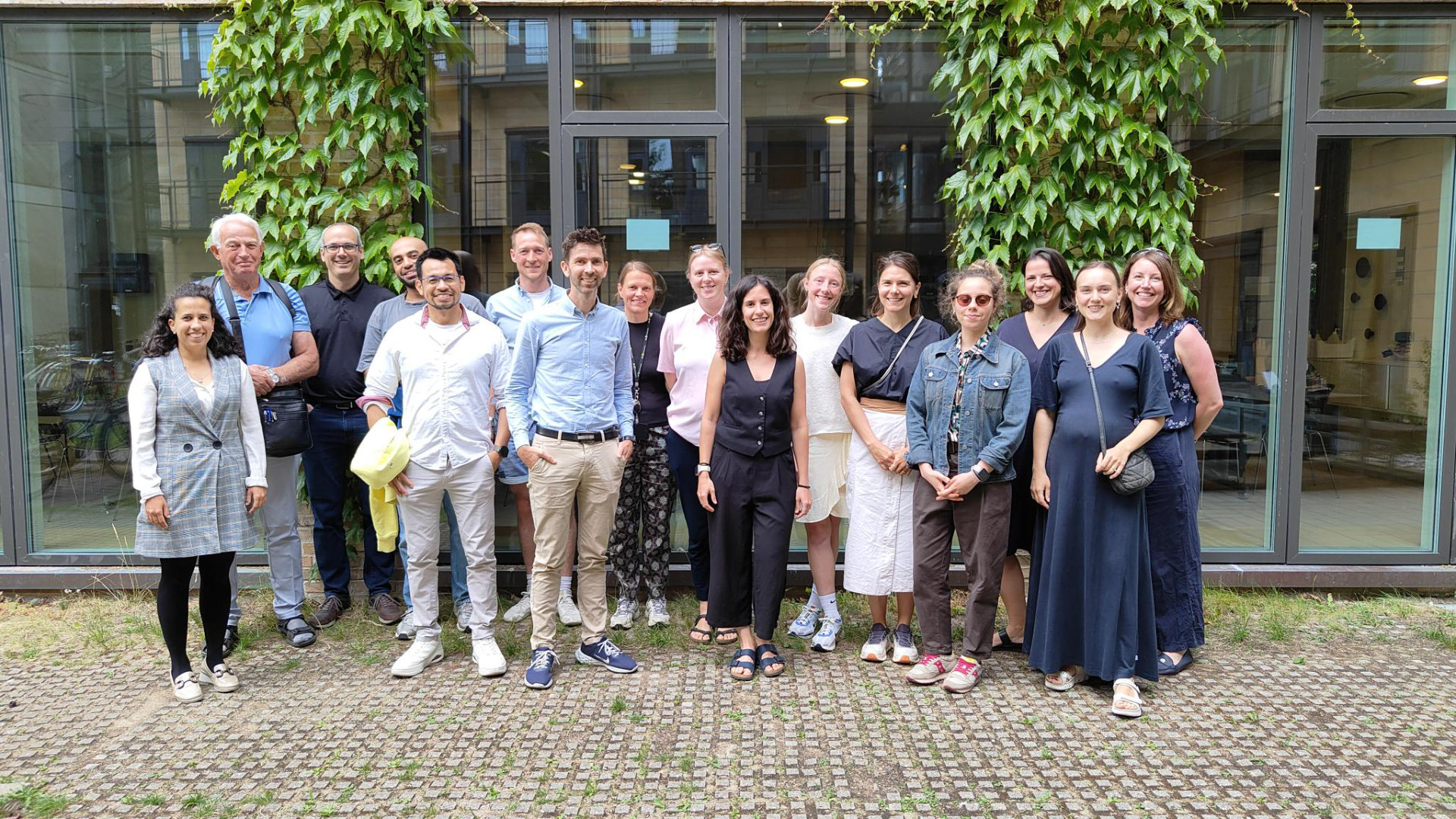
At the University of Copenhagen in Denmark, the Department of Nutrition, Exercise and Sports conducts world-leading research on human nutrition, physiology and lifestyle to improve health and performance across the lifespan. Its Nutrition, Microbiome and Metabolomics group specializes in diet-microbiome interactions, human intervention studies and state-of-the-art mass spectrometry-based metabolomics. The group contributes expertise in identifying and characterizing microbiota-derived metabolites, carrying out precision dietary interventions and defining causal pathways between diet, microbial metabolism and cardiometabolic outcomes.

The University of Gothenburg in Sweden is one of Scandinavia’s largest and most respected research universities, internationally recognized for its strengths in life sciences and medical research. At the University of Gothenburg, Bäckhed Lab investigates how gut microbes and their metabolites shape metabolic health by combining large human cohorts with gnotobiotic and mechanistic models. Taking a translational approach, the lab links bacterial taxa and metabolic outputs to markers of diabetes, hepatic steatosis, atherosclerosis and heart failure to generate testable hypotheses and guide microbiome-based interventions.
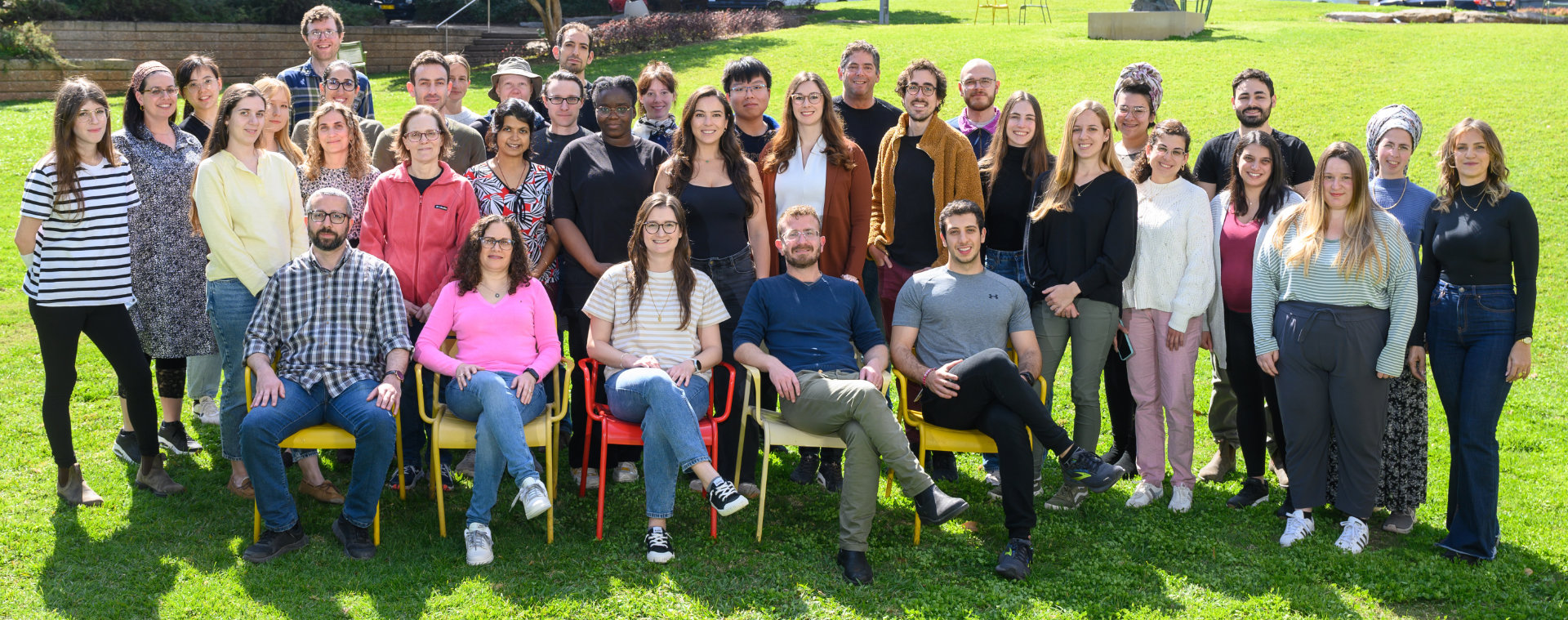
The ElinavLab at the Weizmann Institute of Science in Israel is internationally recognized for its research into how interactions between the host and the microbiome influence health and disease. By combining experimental biology, human studies and advanced data analytics, the lab develops microbiome-based approaches to personalized medicine. Its research spans immunity and inflammation, metabolism, cancer, neurodegeneration and nutrition, using advanced experimental models and large-scale human studies to uncover the microbiome’s role in human health and disease. The lab contributes leading expertise in host-microbiome interactions and translational microbiome science.
The Copenhagen Gut Microbiome Hub network unites leading scientists and industry partners to advance gut microbiome research and improve health. The hub promotes excellence in education, science and innovation, with the ambition to become a leading microbiome centre in Europe. Through its partnership with MHI, it strengthens collaboration and knowledge exchange across academia, hospitals and industry in Greater Copenhagen, one of Europe’s most dynamic microbiome research ecosystems.
Organization
How we work
We are built for collaboration.
MHI is coordinated by a Copenhagen-area team that supports collaboration across the seven participating research partners. Led by director Fredrik Bäckhed and co-director Tine Rask Licht, and supported by a Governance Committee and an independent Scientific Advisory Board, our structure is designed to connect scientific excellence with shared direction.
Our scientific coordinator and center administrator help drive day-to-day operations across the partnership, supporting research coordination as well as education, communication, engagement and outreach.
Management
MHI’s director and co-director lead the centre’s scientific direction and strategic development. Together, they help shape the programme’s priorities, drive scientific progress, oversee key deliverables and are accountable for the overall success of the initiative.
The interdisciplinary approach of the project makes it possible to coordinate research between the strongest international environments. It is unique that we can coordinate efforts between universities and hospitals to develop the most promising treatment concepts.

The day-to-day operations of MHI are led by the scientific coordinator and centre administrator, who are based at DTU and support collaboration, coordination and implementation across the partnership.

Fredrik Bäckhed
PhD, Director of MHI
Professor of Molecular Medicine at the University of Gothenburg and DTU National Food Institute, and Director of the Wallenberg Laboratory for Cardiovascular and Metabolic Research at Sahlgrenska University Hospital.
Fredrik is an internationally recognised leader in microbiology, mouse physiology and cardiometabolic disease. His team at Bäckhed Lab combines clinically oriented studies with gnotobiotic mouse models to reveal how the gut microbiome shapes human health.
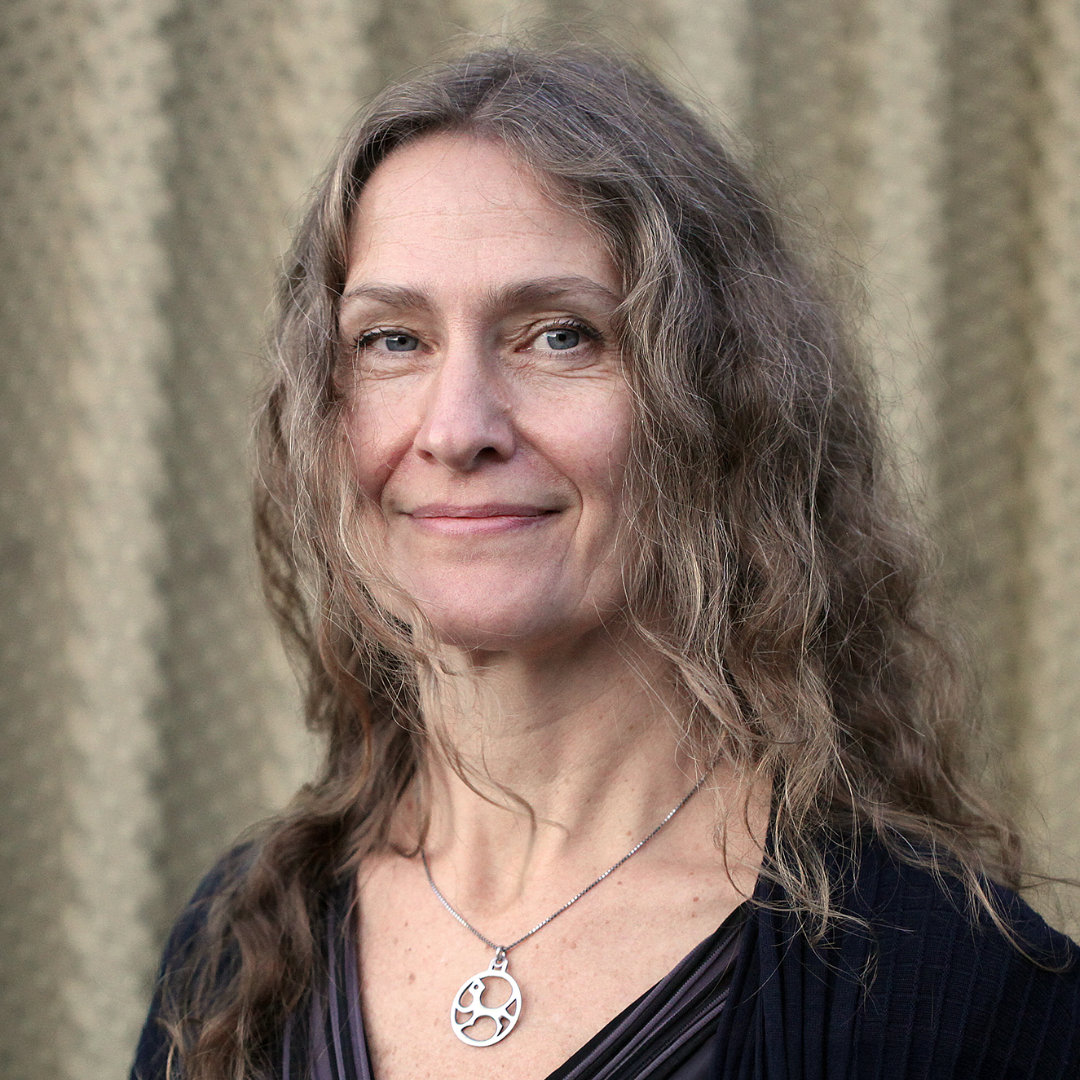
Tine Rask Licht
PhD, Co-Director of MHI
Director of The National Food Institute at the Technical University of Denmark (DTU Food), and Professor of Food Safety and Nutrition.
Tine leads DTU Food’s mission to deliver research and innovation that support food safety, public health, nutrition and sustainable food systems. Before becoming director, she was a leading researcher in gut microbiology, investigating how microbes shape individual responses to food. Her work helped pave the way for personalized nutrition and microbiome-based strategies to prevent and treat cardiometabolic disease.
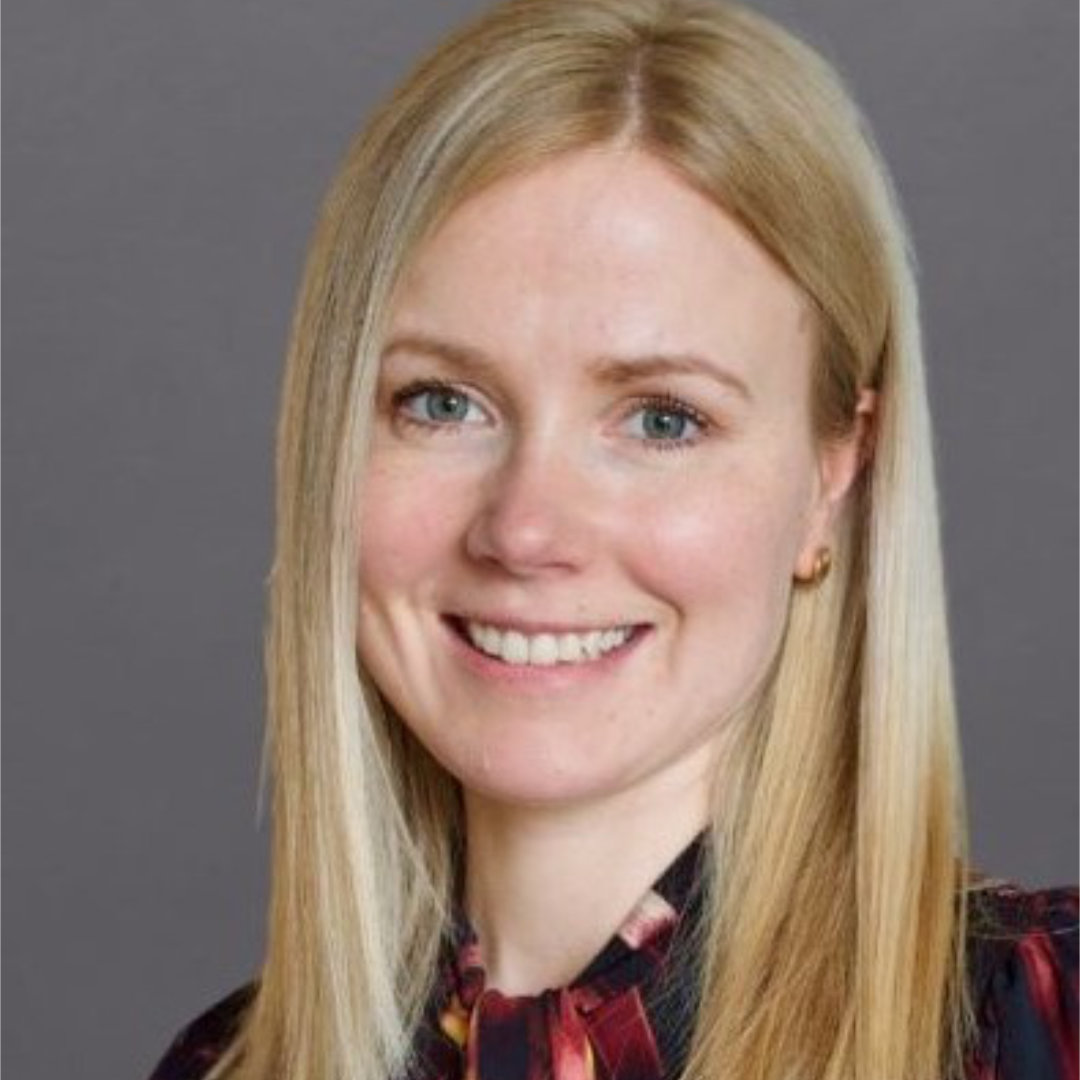
Noora Ottman
PhD, Scientific Centre Coordinator of MHI, DTU National Food Institute
Trained as a microbiome scientist, Noora combines experience from academia and industry with expertise in research strategy, programme management, and cross-disciplinary collaboration. She oversees the scientific and operational activities of MHI, enabling collaborative research that advances our understanding of the gut microbiome and its role in cardiometabolic health.

Anna Foucher
Centre Administrator of MHI, Administrative Coordinator, DTU National Food Institute
The Scientific Leadership Team is chaired by MHI’s director and includes the principal investigator from each of our seven partners.
The team’s key role is to set MHI’s strategic objectives. The team guides our thematic research focus, training efforts, stakeholder engagement and communication, and directs the translational and clinical ambitions of our centre.
Principal Investigators

Eran Elinav
Professor, Systems Immunology Department, Weizmann Institute of Science

Aleksander Krag
M.D. and Professor, Odense University Hospital
Martin Steen Mortensen
Senior researcher, DTU Food

Trine Nielsen
M.D. and Associate Professor, Steno Diabetes Center Copenhagen and University of Copenhagen
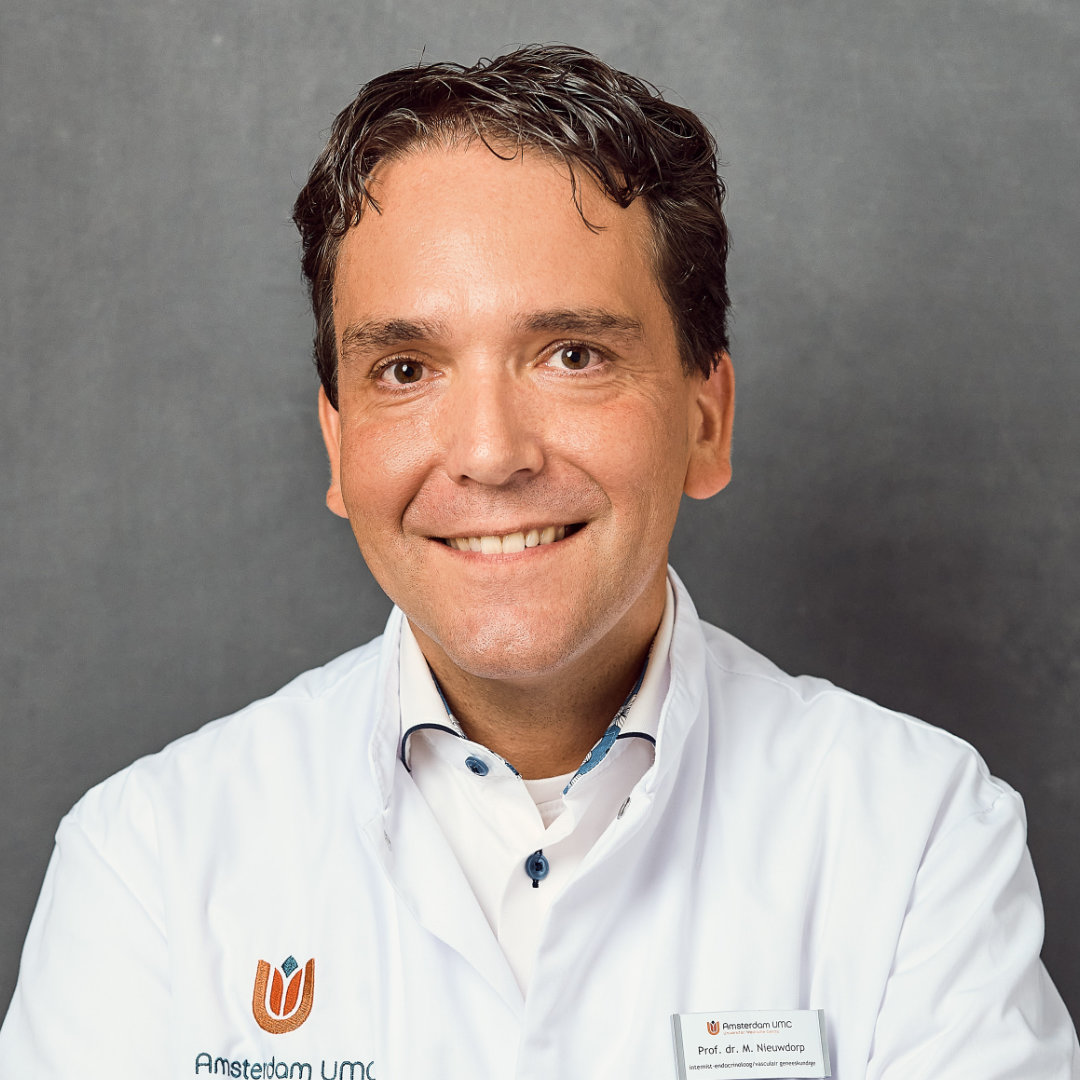
Max Nieuwdorp
M.D. and Professor, Amsterdam University Medical Hospital
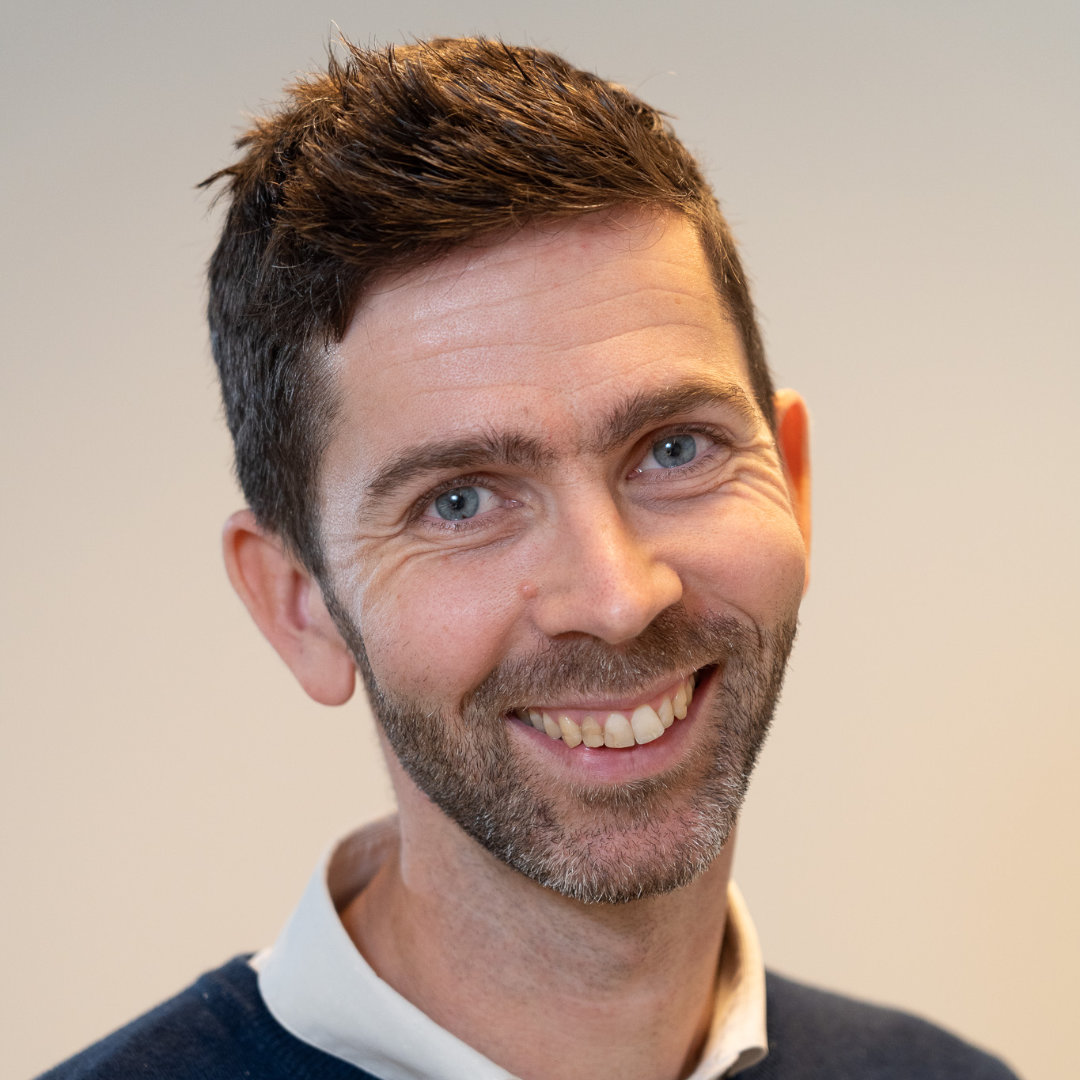
Henrik Munch Roager
Associate Professor, University of Copenhagen
Governance Committee
The Governance Committee is a representative committee that includes MHI management, DTU leadership and the Novo Nordisk Foundation. It is the ultimate decision-making body that endorses recommendations from the Scientific Leadership Team on budget, recruitment, and mission management.
Fredrik Bäckhed
PhD, Director of MHI
Professor, University of Gothenburg
Tine Rask Licht
PhD, Co-director of MHI
Institute Director, DTU Food
Camilla Rygaard-Hjalsted
Committee Chair, Dean of Sustainability, Diversity, Inclusion and Talent Development, DTU
Marie Kveiborg
Senior Scientific Lead, Novo Nordisk Foundation
Scientific Advisory Board
The Scientific Advisory Board (SAB) is an independent, skills-based international board made up of scientists and clinicians from academia and industry with expertise in the microbiome and cardiometabolic disease. The SAB advises the directors and Scientific Leadership Team on funding allocations for external projects and on progress toward MHI’s scientific and translational goals.
Jens Nielsen
Board Chair, CEO at BioInnovation Institute, Copenhagen, Denmark
Jens Walter
Professor at the School of Microbiology, Department of Medicine, and APC Microbiome Ireland at University College Cork, IrelandMarc Donath
Professor, University of Montréal & Medical Director, Integrated Centre of Excellence in Metabolic Health, University Hospital Montréal
Yolanda Sanz
Professor of Research at the National Research Council at the Institute of Agrochemistry and Food Technology, Valencia, Spain
Funding
Funding for MHI was provided by the Novo Nordisk Foundation, an international philanthropic foundation based in Denmark. The 150 million Danish kroner grant for the first phase of MHI runs over four years, beginning in 2024.
Contact us

Grant
The Novo Nordisk Foundation Microbiome Health Initiative (MHI) is supported by a Novo Nordisk Foundation grant number NNF24SA0092455.